
As an Amazon Associate, I earn from qualifying purchases. Some links on this site are affiliate links. Portions of this content are generated by AI.
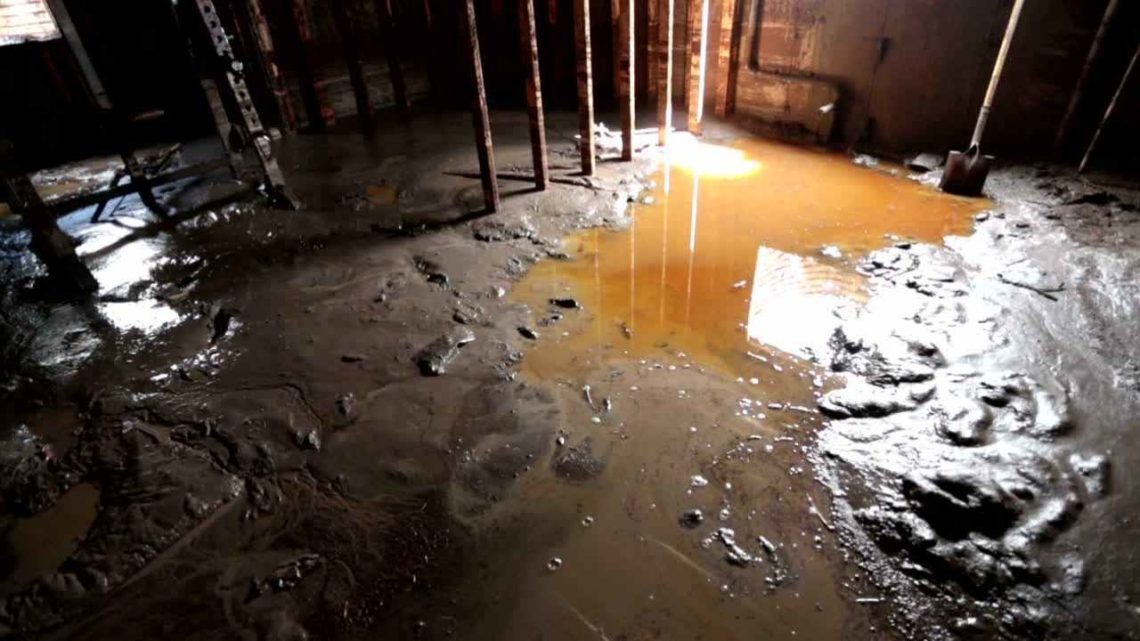
A home flooding emergency is stressful, and the clock matters. Standing water ruins floors, drywall, and belongings by the hour, and mold can start within a day or two. Here in the Las Vegas valley, true basements are rare because most homes sit on slab foundations, so this usually means a burst pipe, a failed water heater, an overflowing washer, or monsoon water pushing into a garage or low room. Whatever the source, the response is the same.
Do These First
Kill the power
If you can reach the panel without standing in water, shut off power to the affected area. If you cannot reach it safely, call an electrician or your utility instead.
Stop the water
Close the fixture valve behind a toilet or under a sink, or the home’s main shutoff. This is the single biggest thing you can do to limit damage.
Document everything
Take photos and video of the water and damage before you move or remove anything. Your insurance claim depends on it.
Move your valuables
Get furniture, electronics, and boxes up and out of the water. Lift furniture legs onto blocks or foil if a piece is too heavy to move.
Start removing water
A wet/dry vacuum, mop, or portable pump gets you going. Leave large volumes to the restoration crew and their equipment.
Get air moving
Open windows, run fans, and set up a dehumidifier. Pull up soaked rugs, padding, and cardboard. Our dry climate dries things fast, which is your best defense against mold.
Who to Call
Tap any pro below to see what they handle. This is roughly the order most people need them.
Water Damage Restoration Company
For anything beyond a small, quickly contained spill, this is usually your most important call. Many operate around the clock, extract the water, dry the structure with commercial fans and dehumidifiers, and treat the area to prevent mold. Most work directly with insurance, which makes the claim smoother.
Licensed Plumber
If the water came from a pipe, water heater, supply line, or fixture, a licensed plumber finds and fixes the source so it does not happen again. Get the leak repaired before you spend money drying everything out.
Your Insurance Company
Open a claim early. Most standard policies cover sudden, accidental water damage like a burst pipe, but generally not gradual leaks or flooding from outside water, which usually needs separate flood insurance. Read your policy or ask your agent, and take photos before anything is cleaned up.
Your Landlord, If You Rent
Notify your landlord or property manager right away, in writing if you can. They are typically responsible for the building, and their insurance usually covers the structure. Your renter policy covers your belongings.
An Electrician
If water reached outlets, wiring, or a panel, have a licensed electrician inspect before you turn power back on in that area. Wet electrical components can be unsafe even after they look dry.
Mold Remediation Company
Mold can begin to grow within 24 to 48 hours. If the area was wet for a while, or you see or smell mold afterward, a remediation company can test, remove it, and keep it from spreading. Drying quickly is the best way to avoid needing this at all.
Foundation Contractor or Structural Engineer
Only for the more serious cases. If water came in through the foundation, or you notice new cracks, shifting, or doors and windows that suddenly stick, they can assess the damage. For most burst-pipe or appliance floods, you will not need them.
Prevent the Next One
A water emergency is never fun, but a calm, quick response makes all the difference. Stay safe, stop the water, document the damage, and get the right people on the way. Handled fast, most of these situations are fully recoverable.
Thinking About Your Next Move in Las Vegas?
Whether you are recovering from a water issue, weighing repairs before a sale, or just wondering what your home is worth in today’s market, my team and I are happy to help you think it through. No pressure, just honest advice from people who know the valley.
Contact the Lori Ballen TeamCall or text 702-604-7739
As an Amazon Associate, I earn from qualifying purchases. Some links on this site are affiliate links. Portions of this content are generated by AI.