
As an Amazon Associate, I earn from qualifying purchases. Some links on this site are affiliate links. Portions of this content are generated by AI.
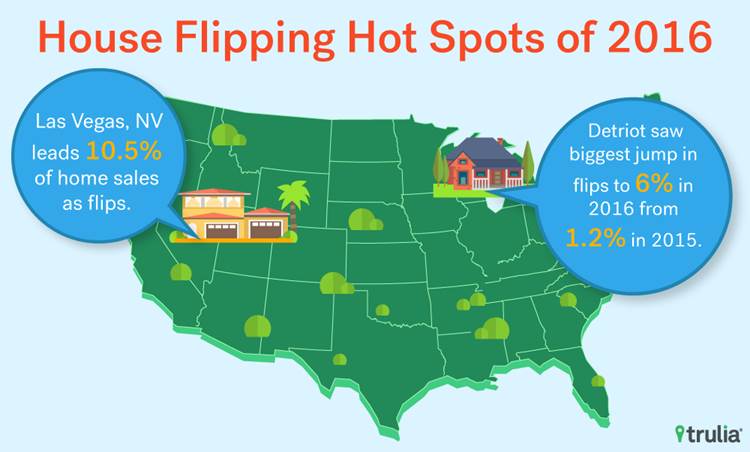
Is Las Vegas Still Flipping?
Short answer: yes. People still buy, renovate, and resell homes here for a profit. But the easy money is gone, and the numbers have to work before you ever pick up a hammer. Here is how a flip really works in this valley.
Is Flipping Still Viable in Las Vegas?
The honest answer, then the details.
It is still active here. Las Vegas has spent years near the top of the national list for the share of sales that are flips. But as of 2026, the margins are thinner and the mistakes are more expensive than they were a decade ago.
Three things decide whether a flip pencils out right now: interest rates, inventory, and renovation costs. When borrowing is expensive, the money you pay to hold a house while you fix it eats straight into profit. When inventory is tight, it is harder to buy low, because you are competing with owner occupants and other investors for the same tired house. And renovation costs have not come back down, so a kitchen and two baths cost real money before you sell a thing.
None of that means the door is closed. It means the discipline matters more. The flippers who do well here are not the ones who fall in love with a house. They are the ones who know their local market cold, run conservative numbers, and walk away from most of what they look at. If you are also weighing buying to live in versus buying to flip, start with the basics of buying a home in Las Vegas.
How a Flip Works, Step by Step
The same five moves, every single time.
Find the deal
Source a house you can buy below market, usually one that needs work most buyers do not want to touch.
Run the numbers
Estimate the After Repair Value from comps, subtract repairs and costs, and decide your maximum offer before you get emotional.
Fund the purchase
Line up cash, a hard money loan, or a private lender. Flip financing is faster and pricier than a normal mortgage.
Renovate
Fix the right things with a real budget and timeline. Every extra week you hold the house costs you money.
Sell and exit
Price it to the comps, market it well, and get to closing before your holding costs erase the profit.
The whole game is steps 1 and 2. You make your money when you buy, not when you sell. A great renovation on an overpriced house is still a loss.
The 70% Rule and ARV, in Plain English
The one piece of math that keeps flippers out of trouble.
ARV stands for After Repair Value: what the finished house will sell for, based on recent sales of similar homes nearby. Everything starts there. To find it, you pull real estate comps, homes with similar size, beds, baths, and condition that sold recently in the same area.
The 70 percent rule is a rule of thumb many flippers use to set a ceiling on what they will pay. You take 70 percent of the ARV, then subtract your estimated repair costs. That gap is meant to cover financing, holding costs, closing, agent fees, and a profit cushion.
Those figures are just an illustration of the math, not Las Vegas price quotes. Real deals swing with the market, the neighborhood, and how much work the house really needs. Plenty of experienced flippers adjust the percentage up or down based on the price point and their own costs. The point is to have a number you will not cross before you walk a single house.
Costs, Risks, and Where Deals Come From
Swipe through the four things that make or break a flip.
Swipe the cards or use the arrows to see all
Flipping still works in Las Vegas. It just does not forgive a lazy number anymore. Buy right, budget honestly, and know your exit before you knock down a wall.
Get Deals and Market Updates First
I send Las Vegas market shifts, new listings, and investor-friendly properties straight to your inbox. Drop your name and email and I will keep you in the loop.
Common Questions About Flipping in Las Vegas
Tap any one to open it.
Is house flipping still profitable in Las Vegas?
It can be, and people do it here every month. But margins are tighter than they were years ago, and profit depends heavily on buying below market, keeping renovation and holding costs in check, and selling before carrying costs pile up. The deals that work are the ones where the math was conservative from day one.
What is the 70 percent rule?
It is a rule of thumb for setting your maximum offer. You take 70 percent of the After Repair Value, then subtract estimated repair costs. The remaining gap is meant to cover financing, holding costs, closing, agent fees, and profit. Many investors adjust the percentage based on price point and their own costs.
How do I estimate ARV?
Look at recent sales of comparable homes near the property, similar in size, beds, baths, and condition, ideally sold within the last several months. Those comps tell you what the finished house should sell for. Here is how to find real estate comps, and a good local agent can pull them for you.
How do people finance a flip?
Common options are cash, a hard money loan, or a private lender. These move faster than a standard mortgage, which matters when you are competing for a distressed house, but they carry higher rates and short terms. If you want to compare that with conventional financing, see my Las Vegas mortgage guide.
Where do flippers find deals?
Rarely the open market at a discount. Most come from agent relationships, off market and pre market leads, dated or distressed houses, estate sales, and auctions. A strong network of agents and reliable contractors is what separates the flippers who find deals from the ones who wait for them.
How long does a typical flip take?
Plan on roughly five to six months from purchase to closing on the resale, sometimes longer if the renovation is heavy or the resale season is slow. Every extra week adds holding costs, so a realistic timeline is part of a realistic budget.
This page is general education, not financial or investment advice. Every deal is different. Run your own numbers and talk with your own professionals before you buy.
Thinking About a Flip or a Sale in Las Vegas?
Whether you want to run the numbers on a potential flip, find a deal before it hits the market, or see what your current home could sell for, my team and I are glad to help. This is what we do here every day.
Keep Reading
Flipping touches buying, financing, pricing, and the market all at once. These are the pages people read next.
Lori Ballen
I've lived in Las Vegas since I was five years old. I've watched this valley grow from a small town into what it is now, and I've spent my career in real estate here, including plenty of time around investors and flips. If you want a straight read on whether a deal pencils out, reach me anytime at lori@loriballen.com.
702-604-7739As an Amazon Associate, I earn from qualifying purchases. Some links on this site are affiliate links. Portions of this content are generated by AI.