As an Amazon Associate, I earn from qualifying purchases. Some links on this site are affiliate links. Portions of this content are generated by AI.
How Much Money Do You Really Need to Buy a House in Las Vegas?
The purchase price is only the start. Here is the real up-front cash it takes, from your down payment to closing costs, earnest money, and a reserve cushion, so nothing surprises you after the deal closes.
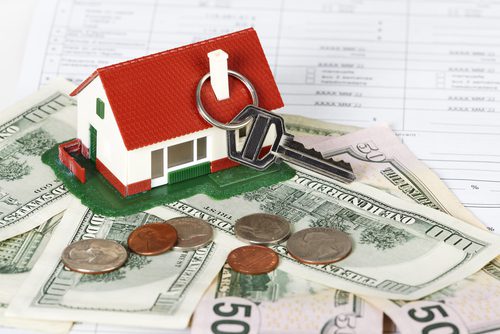
The number that trips buyers up is not the price of the house. It is the cash you need on hand to get to the closing table.
People hear one down payment figure and assume that is the whole story. It is not. Your up-front money splits into a few separate buckets, and the good news is that some of them are smaller than you think, and a couple of them can be reduced with the right loan or a little help. Let me walk you through all of it in plain terms.
The Four Cost Buckets
Swipe through the four pieces of cash you plan for as a buyer.
Swipe the cards or use the arrows to see all four
Down Payment by Loan Type
This is the single biggest lever on your up-front cash. Your loan decides it.
Conventional
Often as low as 3% to 5% down for qualified buyers. Put 20% down and you skip private mortgage insurance entirely.
FHA
3.5% down with a qualifying credit score. A popular path for first-time buyers, with its own mortgage insurance.
VA
0% down for eligible veterans, active service members, and some surviving spouses. No monthly mortgage insurance.
USDA
0% down in eligible areas outside the city core, for buyers who meet the income limits for the program.
The tradeoff: a smaller down payment gets you in the door sooner, but usually means mortgage insurance and a slightly higher monthly payment. A bigger down payment costs more today and saves you every month after. There is no single right answer, only the one that fits your cash and your plans. Want to see where rates and payments land for you? Start with how to qualify for the best mortgage rates.
Down Payment Assistance in Nevada
If the down payment is the wall between you and a home, this is worth a hard look.
Nevada runs down payment assistance through the state housing agency, most known as the Home Is Possible program. It is designed for buyers who can handle a monthly payment but have not saved the full down payment yet, and it can help cover part of your down payment and closing costs.
One honest caveat: program terms, the exact percentage, and whether the help is a grant or a repayable second loan change over time and by which product you use. Do not bank on a specific figure. Get matched with an approved lender first, confirm today's terms, and I am glad to point you to a good one.
The Smaller Costs Buyers Forget
Two of these you pay for yourself, often before closing day.
Home Inspection
You hire your own inspector to check the home's condition. A standard inspection commonly runs a few hundred dollars, paid up front. Worth every penny.
Appraisal
Your lender orders it to confirm the home is worth the loan. It typically runs in the low hundreds and is often collected during the loan process.
Prepaids & Escrow
At closing you prepay some homeowners insurance and property tax into an escrow account. This is bundled into your closing costs, not extra on top.
Moving & Setup
Not a closing cost, but real money. Movers, utility deposits, and the first round of anything the new place needs. Keep a little set aside.
On buyer agent fees: how a buyer's agent is paid has changed across the country, and it is now something you discuss and agree to in writing up front. We will go over exactly how that works for you before you tour a single home, so there are no surprises.
How to Budget for It, Step by Step
Do these in order and the number stops feeling scary.
Get Pre-Approved
A lender tells you which loan you qualify for and the real down payment percentage that applies to you. Everything else flows from this.
Add Up the Cash
Down payment, plus 2% to 5% for closing, plus 1% to 3% earnest, plus inspection and appraisal. That is your target to reach the table.
Check Assistance
Ask your lender whether Home Is Possible or another program can lower the cash you bring. It can change the whole math.
Build a Cushion
Leave a few months of payments in reserve after closing, plus a little for the move and first repairs. Do not drain the account to zero.
Keep Accounts Steady
Once you are pre-approved, do not move big sums around, open new credit, or change jobs if you can help it. Lenders re-check before closing.
Line Up Your Team
A solid lender and an agent who knows this valley keep the costs honest and the timeline on track. That is where I come in.
Nobody should end up house poor. Know your four buckets before you fall in love with a listing, and the whole thing turns from stressful to exciting.
Get New Listings First
Thinking about a move? I will email you Las Vegas homes that fit what you are looking for the moment they hit the market.
Common Questions
Tap any one to open it.
How much cash do I really need up front to buy in Las Vegas?
Add your down payment to closing costs of about 2% to 5% of the price, your earnest deposit of about 1% to 3%, and a few hundred dollars each for inspection and appraisal. On a low or zero down loan the up-front cash can be modest. The honest answer is that it depends entirely on your loan type, which is why step one is always getting pre-approved.
Can I buy a house with no money down?
It is possible for the down payment itself. VA loans for eligible veterans and service members and USDA loans in eligible areas both allow 0% down. Even then you still plan for closing costs, earnest money, and the inspection, though some of those can be offset by seller credits or assistance programs.
What is earnest money, and do I lose it?
Earnest money is a good-faith deposit, usually around 1% to 3% of the price, that you put into escrow when your offer is accepted. It is not an extra fee. It gets credited toward your down payment and closing costs at the end. You generally get it back if you cancel within the contract's contingencies, and you risk it if you walk away for a reason the contract does not protect.
How much are closing costs for a buyer in Nevada?
Plan on roughly 2% to 5% of the purchase price. That covers lender fees, title and escrow, recording, the appraisal, and prepaid property taxes and homeowners insurance that go into your escrow account. Some of these are negotiable, and sellers sometimes agree to cover part of them.
Do I need 20% down?
No. Twenty percent is the level where you avoid private mortgage insurance on a conventional loan, but plenty of buyers put down far less. Conventional loans can start around 3% to 5%, FHA at 3.5%, and VA and USDA at zero for those who qualify. The right amount is the one that fits your savings and how long you plan to stay.
What is the Home Is Possible program?
It is Nevada's down payment assistance program, run through the state housing agency and delivered by approved lenders. It can help cover part of your down payment and closing costs, generally up to about 4% of the loan, for buyers who meet credit, income, and price limits and complete a homebuyer education course. Terms change, so confirm the current details with a lender before you count on it.
Starter Homes for Sale in Las Vegas
Once you know your number, here is a live look at approachable homes on the market right now.
Ready to Buy in Las Vegas?
Knowing your real up-front number is the first move. Thinking about selling to buy? Start with a free home value estimate, then let's map out your cash and your timeline together.
Keep Reading
The money question connects to every other part of buying here. These are the pages buyers read next.
Lori Ballen
I've lived in Las Vegas since I was five years old. I've watched this valley grow from a small town into what it is now, and I've helped a lot of buyers get to the closing table without draining their savings. If you want someone in your corner from pre-approval to keys, reach out anytime at lori@loriballen.com.
702-604-7739As an Amazon Associate, I earn from qualifying purchases. Some links on this site are affiliate links. Portions of this content are generated by AI.